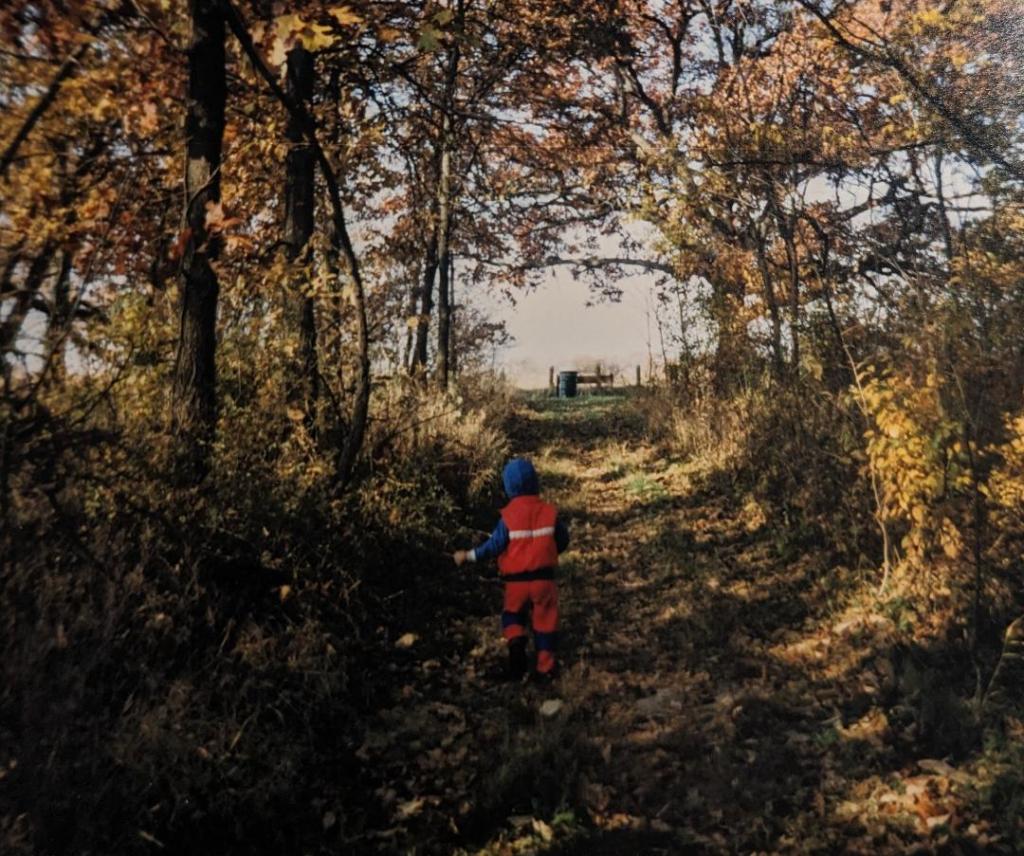
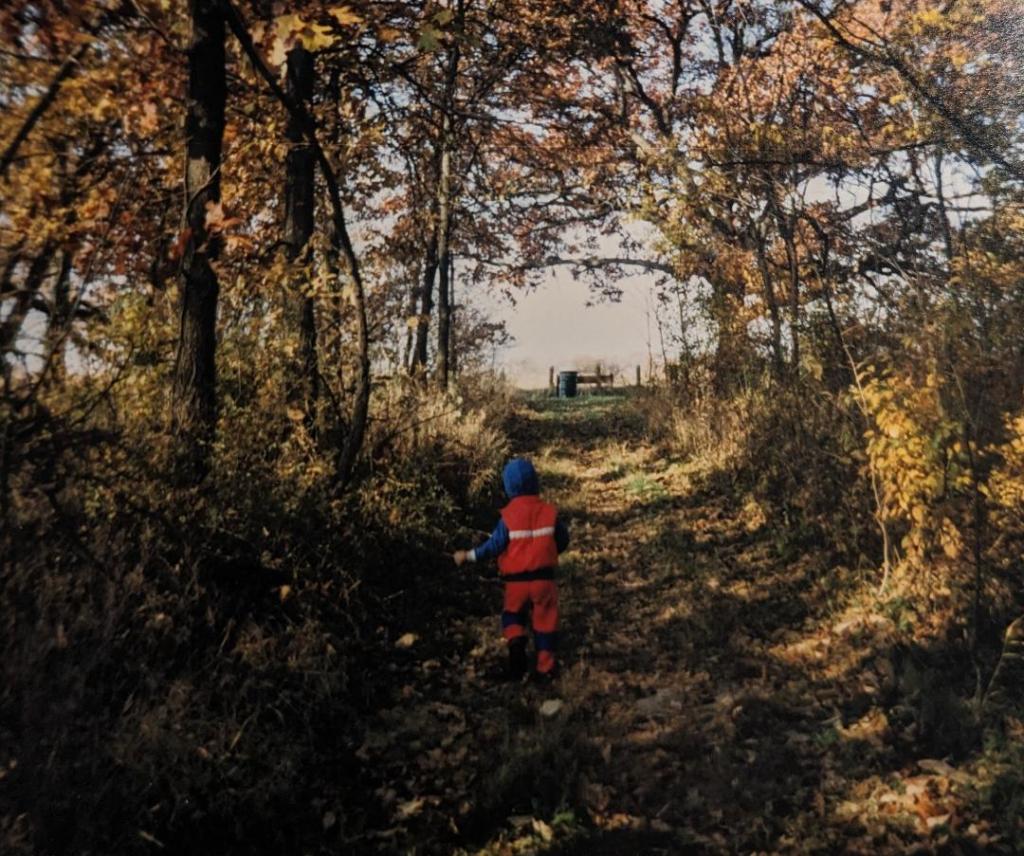
Reading over some of my older writing pieces I came across this one. I wrote this piece in 1992 when I was in college. Although some the statistics have changed (for the worse). The issue of deforestation is still a major issue.
I often wonder, when my two year old son has children will they ask him: ‘Daddy, what is a forest?’ As David Brower founder of the Sierra Club Foundation, Friends of the Earth, Earth Island Institute, and North Cascade Conservation Council has said;
“We’ve lost about a million acres of wilderness a year for the last 60 years. It is of utmost importance to save for the future generations all the wildness that remains on earth. Remember, we don’t inherit the earth from our fathers, we borrow it from our children. And if you borrow something you don’t have the capability of paying back, you are actually stealing.” (Ridgeway 25)
We need to listen to the environmentalists if we are going to practice what we preach so we will have a future for us and our children. There is a concept that has been around for more than fifty years, that of Land Stewardship. We need to renew our interest in this practice. In the 1990’s we know so much more about our environment and ecology and we understand the impact of our activities on wildlife and the land, through improved technology and research. There are two very important parts to Land Stewardship for it to be successful.
First we must practice Land Stewardship and make it a priority. Second we need to update the knowledge of the many well-intentioned people who support Land Stewardship. We need to share the current research with these caring people so they don’t cause harm to our wildlife because of outdated practices.
A buzzword for the 90’s is ‘biodiversity’. A feature of Land Stewardship that is concerned with preserving biological diversity. “Ecologists the world over are emphasizing the need to maintain the richness of native plant and animal species.” (Decker, Gavin, Goff 4) One of the many species that is imperative tour ecological system is its trees.
The National Wilderness Preservation System consists of one million acres of wilderness. Half of this is in our national parks. Only 4% of these are protected. Of this 4%, 2.2% are in Alaska which leaves only 1.8% of protected wilderness in the remaining forty-nine states. People need to be aware of the total picture. Most people are concerned only in their piece of property. Each piece of property is only one piece in the puzzle. We need to put the puzzle together and ask ourselves these questions:
How does what I do affect the larger areas around me?
How does what happens in the larger areas affect my land?
Is my land unique? If so, it may be critical to certain species that depend on that uniqueness.
Should I change my land? If I do how will it affect future generations of species?
If landowners are taxed so much that they can not make good use of their land because of fear of loosing it what has been gained?
If the landowners spend a lot of money to keep their land in good shape for wildlife conservation which benefits everyone do we owe them some relief on the financial burden they have incurred?
And finally will society be willing to pay for the education and training of landowners who want to practice Land Stewardship?
These are questions we all need to think about and try to find answers for.
Our country needs to practice Land Stewardship. It is up to everyone living in a rural area or a city. Everyone has a voice. If you live in a major metropolitan area you can be active in issues that are brought to the ballot box. Here are some things to think about. An example from Decker, Gavin and Goff, associates at Cornell University claims:
“… for a population of ovenbirds to remain viable typically requires a block of hundreds of acres of unbroken, mature forests. Such an area may contain the properties of several landowners. But consider this – the actions of one owner that result in extensive forest clearing or even corridors of cleared land such as roads penetrating into the forest may signal the end of the larger landscape as viable ovenbird habitat.” (Decker, Gavin, Goff 6)
It has been shown that edges around forests and forest in mid-age stage need to be maintained because of the wide variety of trees, shrubs, and vegetation that is used as habitat by more wildlife than those forests with a limited variety.
Over the years the logging industry has clear-cut the timber. Clear-cutting is taking a sharply defined area of the forest and cutting all the trees in that area. Clear-cutting takes 200 years to have old growth again. Today there is a new term and process for cutting timber which is ‘New Forestry’. New Forestry is a part of a greater process of the Forest Service call New Perspectives. “New Perspectives first focuses on providing for a healthy, vibrant ecosystem and then delivers sustainable products in the process of maintaining that healthy state.” (Zuckerman 41) New Forestry allows dead trees to stand which provide habitat for birds. The logs left in the forest allow homes for small animals. The insects thrive on the dead and decaying wood on the forest floor. By only taking clusters of trees it seems to balance the ecosystem and the needs of the loggers. New Forestry takes only 60-70 years for the trees and debris to resemble old growth.
New Forestry and New Perspectives are good examples of Land Stewardship. With Land Stewardship we also need to remember our urban areas. According to Nina Bassuk, the director of Urban Horticulture at Cornell University, “Trees are not just a nicety … They make our cities livable”. (Bassuk 19) Trees filter airborne dust and some of our toxic pollutants, they absorb carbon dioxide and give off oxygen which people need to breathe. Planting trees is one of the easiest and cheapest ways to ease global warming since trees reduce our energy need. Trees placed properly around a house can cut air-conditioning by 50% according to the Forest Service. In winter a tree used as a windbreak can reduce heating by 30%. “Trees soothe the battered city soul. They screen objectionable views. They absorb noise. They attract songbirds and other wildlife. They provide shade. They offer visual relief from the square walls of urban life.” (Haurwitz 19)
As Land Stewards of the 90’s we need to reexamine our way of thinking beacuse of the new knowledge about our ecosystem and its workings, how it affects wildlife and habitats. We know that Land Stewardship philosophy is sound, the need for Land Stewardship is real and what we know about effective Land Stewardship is improving. Practising Land Stewardship we will protect wildlife and land for our children and our children’s children. And maybe, just maybe, we will never hear ‘Daddy, what is a forest?’
Decker, Daniel, Thomas Gavin, Gary Goff. “Our Love for The Land.” The Conservationist
Sept./Oct. 1991:3-13.
Haurwitz, Ralph “Soothing The City Soul.” Buzzworm Sept./Oct/ 1992:18-19.
Ridgeway, Rick. “Wilderness Shows Us Where We Came From.” Backpacker June 1989:25.
Wysocki, Annette. “Read Our Lips.” Backpacker August 1992:26-31.
Zuckerman, Seth. “New forestry, New Hype?” Sierra Mar./Apr. 1992:41-45, 67.



Leave a Reply