Memorial Day weekend has come and gone so we decided to take the camper out for our first trip of 2026. We headed out on a Tuesday. Destination Big Lake State Park in northwestern Missouri. Earlier in the week the weather was predicted to have 75% rain. The weatherman was wrong. We had beautiful sunny days and cool nights. Perfect for sleeping with the windows open.
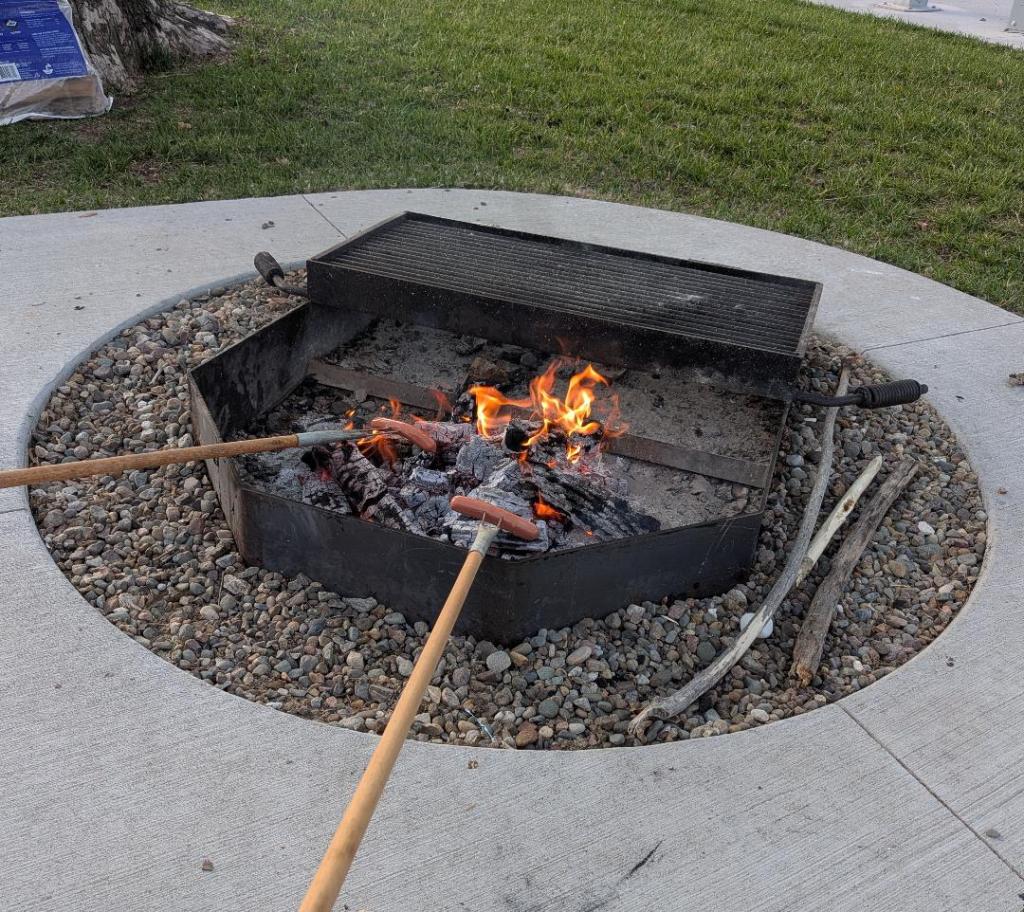
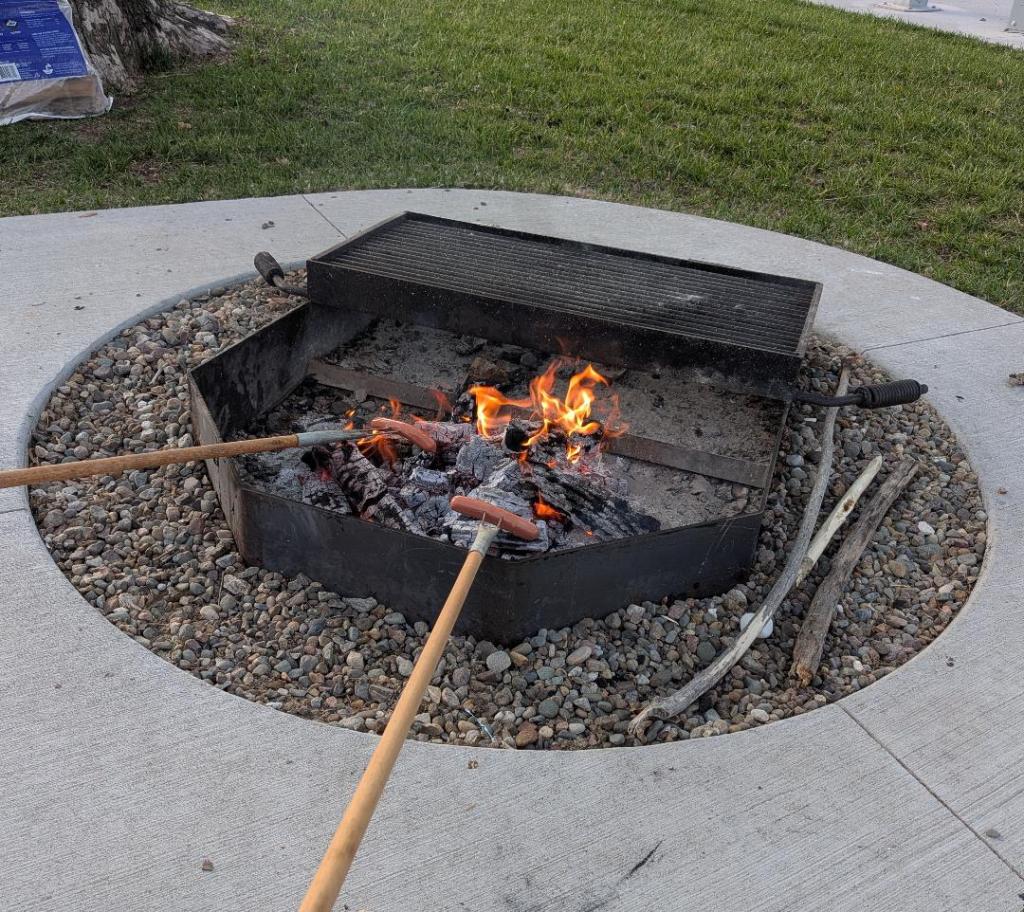
The campground was mostly empty. The grounds were neatly groomed. The parking pads were cement with a large grill for cooking and having a campfire. That first night we roasted hot dogs. The very best and most delicious way to eat a hot dog!
The sight we chose was facing the lake. Big Lake is the largest oxbow lake in Missouri. During our stay several pontoon boats motored up and down the lake. I suspect it was quiet because of it being the middle of the week.
This area is know as a great spot for birding. I am a big birding enthusiast and keep my binoculars at the ready. That first night the more common birds were spotted around our campsite; Robins, Cardinals, House Finch and Purple Finch. During the following couple of days I spotted less common and harder to identify birds flitting about the area. There were Pine Siskin, Pine Grosbeak, Eastern Kingbird, a Flycatcher (not sure which one), Prothonotery Warbler who loved watching as we built our campfire, Magnolia Warbler, Dickcissel, and an Orchard Oriole.
On our second day we packed a picnic lunch and headed to Loess Bluff National Wildlife Refuge twelve minutes away. Described as a ‘vital habitat for migratory birds’. It consists of wetlands, forests, and grasslands. Besides hiking trails there was a 10-mile auto tour loop. We drove the loop which took us four hours as we moseyed along searching for the waterfowl.
When we first started on the loop a coyote and a deer both crossed the road ahead of us at the same time. One headed across to our left and the other to our right. Neither seemed to pay any attention to the other. We sat and watched in utter surprise.
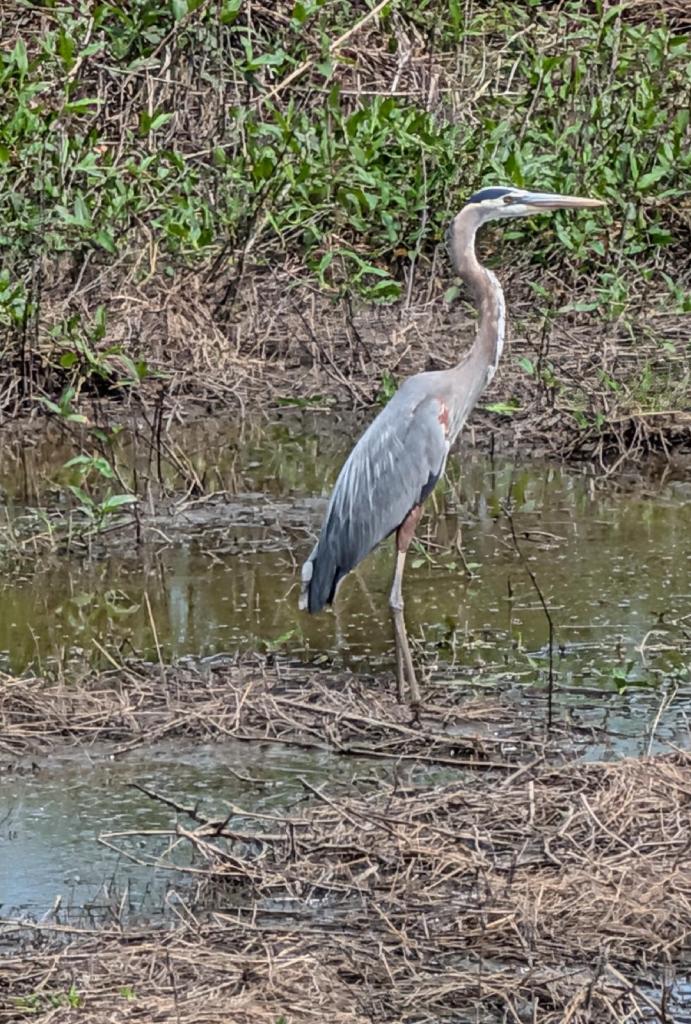
All along the way we saw close to a hundred Great Blue Heron. Startled a flock of Snow Geese from the marshes edge. This time of year they are headed to the northern most point in Canada. A couple of White Pelicans and a small group of Double-crested Cormorant also headed to their northern breeding ground.
I have been keeping a bird sighting list since 1994. On our drive through the marsh I was able to add two new sightings. First the Glossy Ibis. It’s a long legged wading bird standing about 23″ tall with a wing span of 36″. Chestnut and green feathers, green gray legs, and a long downward curved beak. A really beautiful bird.
The second new species I spotted among the wetland vegetation was a Black-necked Stilt. The Stilt stood out with its very black head, black and white neck and bright white body, long pink legs and a thin long pointy beak. This bird is only about 14″ tall. Quite smaller than the Glossy Ibis. I was super excited to see two new birds.
What an amazing adventure! Definitely worth the four hours spent meandering along the gravel road through the refuge.



Leave a Reply